The CCGL is committed to a greater understanding of the molecular ecology and systematics of whales, dolphins and porpoises around the world. Our work on large whales is pursuing three inter-related themes:
To improve our understating of the impact of hunting on the abundance of whales and the ecological role of whales before human exploitation, we are working to improve population dynamic models by including genetic information on long-term effective population sizes before exploitation and minimum population size during exploitation.
To assess the current status of great whale populations, the CCGL is involved in three large-scale, collaborative studies: the Structure of Populations, Levels of Abundance and Status of Humpbacks (SPLASH) project in the North Pacific; the South Pacific Whale Research Consortium's assessment of the population structure and migratory interchange of humpback whales in the South Pacific; and a worldwide study of genetic diversity and population structure of sperm whales through collaboration with the Ocean Alliance.
To conserve the future of whales and dolphins, we have continued surveys of ‘whale-meat' markets in Japan and the Republic of (South) Korea. The work is part of a long-term study of trade in protected whales and dolphins using a portable PCR (Polymerase Chain Reaction) laboratory to identify the species origins of the products.
The CCGL contributes to policy on the conservation of cetaceans through participation in the Scientific Committee of the International Whaling Commission (IWC) and the Cetacean Specialist Group of the International Union for the Conservation of Nature (IUCN).
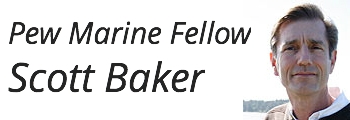
Scott Baker, associate director of the Marine Mammal Institute at Oregon State University, said genetic identification showed that, in many cases, the mothers of calves were missing entirely from groups of whales that died in the stranding. This separation of mothers and calves suggests that strong kinship bonds are being disrupted prior to the actual stranding – potentially playing a role in causing the event.
Scott Baker, Associate Director of Oregon State University's Marine Mammal Institute and a co-author said: "These genetic estimates greatly improve our understanding of the genetic diversity of humpback whales, something we need to understand the impact of past hunting and to manage whales in the uncertain future."
Scott Baker, a marine biologist at Oregon State University and a co-author of the paper who has studied whales and dolphins for 30 years, saw his first live, open-ocean beaked whale just last month, in Samoa. The sighting lasted about 4 seconds before the animal dove — too brief to tell if it was a spade-toothed. “Their environment is very remote,” he says. “It’s deep water, and they’re submerged for maybe 96% of their lives.”